Creating a design system is a crucial step in ensuring consistency, efficiency, and quality in large-scale digital projects. During my tenure at Accenture, I led a team tasked with developing a cohesive user experience for the Cloud First organization. This article outlines the process we undertook, the challenges we faced, and the methodologies we implemented to build an effective design system that supported multiple web portals, microsites, and a mentorship platform.
The Cloud First initiative required us to create:
1. A main web portal introducing the Cloud First organization.
2. Nine microsites for different industries associated with Cloud First.
3. A dedicated portal for a month-long event.
4. A mentorship platform used by over 40,000 users within the organization.
Our primary objective was to ensure a consistent user experience across all these platforms while meeting tight deadlines through agile methodologies. The key to achieving this was the development and implementation of a robust design system.
A design system is more than just a collection of UI components; it's a comprehensive set of standards and guidelines that ensure consistency and quality across all user interfaces. By developing a design system, we aimed to:
1. Maintain a uniform look and feel across all platforms.
2. Enhance the efficiency of the design and development process.
3. Ensure scalability for future expansions and new features.
Unlike wireframes or prototypes, a design system is a living document. It evolves continuously from the initial kickoff and throughout the project lifecycle, adapting to new requirements and feedback.

We began by defining the core elements of our design system:
1. Typography: Selection of fonts, sizes, and styles to maintain visual hierarchy and readability.Colors:
2. Establishing a primary and secondary color palette to ensure brand consistency.
3. Gradients and Shadows: Defining these elements to enhance the visual depth and aesthetics.
With the foundational guidelines in place, we started developing reusable components. These included buttons, form fields, navigation bars, and modals. Each component was designed to be flexible and adaptable to various contexts within the different portals and microsites.
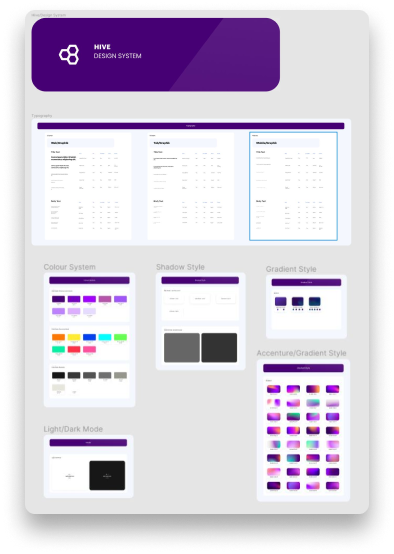

To ensure the design system was effectively implemented across all platforms, I encouraged the entire design team to contribute to and advocate for the system. By involving everyone, we ensured that knowledge was shared, and design standards were enforced consistently across different modules and industries.
We dedicated time in our weekly design standups to review the design system. This included:
1. Updating the library with new components or modifications.
2. Deprecating outdated elements.
3. Documenting changes to maintain a version history, allowing us to revert to previous styles or components if needed.
The initial style guide laid the groundwork for a comprehensive component library. This library became a central resource for all UI elements, ensuring that each component was used consistently across different platforms.
As our design system matured, it evolved into a pattern library. This library not only included individual components but also demonstrated how these components could be combined to address common design problems and user needs effectively.
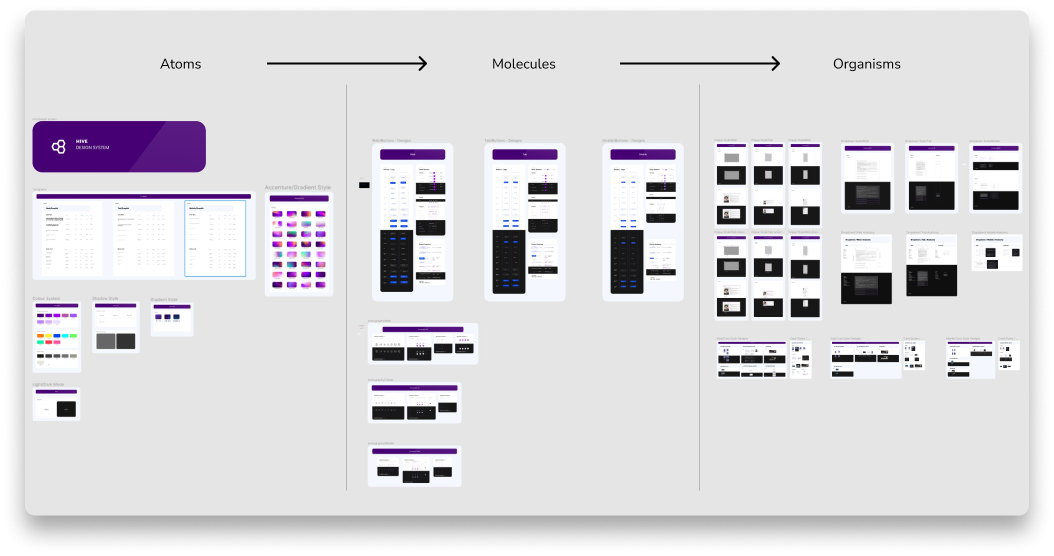
Implementing a design system for Accenture's Cloud First initiative was a transformative process that significantly enhanced the consistency, efficiency, and scalability of our digital products. By starting with basic guidelines and evolving into a comprehensive pattern library, we created a robust framework that ensured a high-quality user experience across all platforms. The collaborative approach and continuous iteration were key to the success of this project, highlighting the importance of a living, evolving design system in modern UX design.

